
Curatorial Walkthrough of the Gallery
Every first Friday of the month, 6:30 pm
Location: Heritage Wing
Venue: Study Gallery, Ground Floor, Heritage Wing, CSMVS
Networks of the Past: A Study Gallery of India and the Ancient World
Join us for a curatorial walkthrough of Networks of the Past, where curators will guide you through the gallery’s key themes, objects, and design.
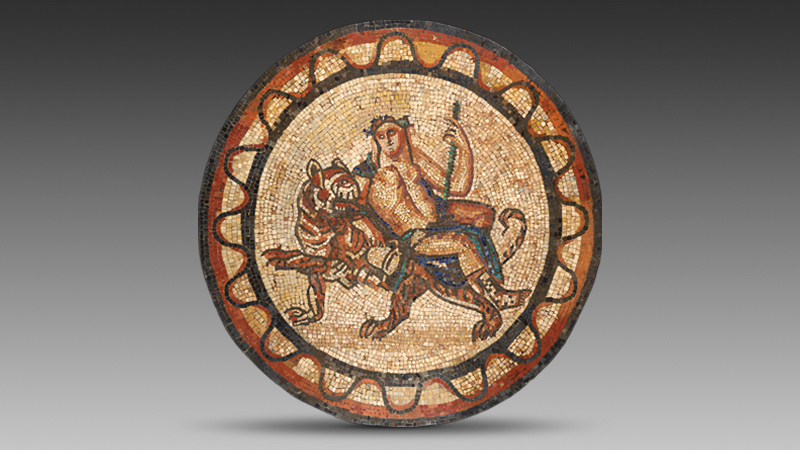
We cordially invite you to join us for the first curatorial walk-through of the new gallery, Networks of the Past: A Study Gallery of India and the Ancient World, where the curators will lead a guided tour highlighting the gallery’s key themes, objects, and design.
Please note that participation is by registration only.
For registrations, kindly write to: programmes@csmvs.in
Walk-through by the Curators:
Vandana Prapanna, Exhibition Consultant
Joyoti Roy, Assistant Director – (Project and Public Relations)
Nilanjana Som, Curator (Art)
Vaidehi Savnal, Assistant Director (Exhibitions, Education and Public Programmes)
About the Gallery
Networks of the Past: A Study Gallery of India and the Ancient World presents key moments that have profoundly influenced human society, viewed through a thematic rather than purely chronological framework. The exhibition builds upon the success of earlier CSMVS initiatives, India and the World: A History in Nine Stories (2017-18), organised in collaboration with the British Museum, and Ancient Sculptures: India Egypt Assyria Greece Rome (2023-24), developed with the British Museum, Staatliche Museen zu Berlin, and several leading Indian museums. These projects form part of a unique series of global partnerships initiated by CSMVS under Getty’s Sharing Collections Program.
The curatorial team at CSMVS conceptualised the overarching narrative with India at its centre, creating a rooted yet globally connected perspective on the ancient world. The gallery has been developed through sustained dialogue with curators from partner institutions and scholars from the represented regions. Every object has been jointly selected and interpreted to engage Indian audiences in new ways, resulting in a truly collaborative and inclusive curatorial process.